SPECIAL SESSION #02
Advanced (Bio)Sensing Systems for the One Health Ecosystem
ORGANIZED BY
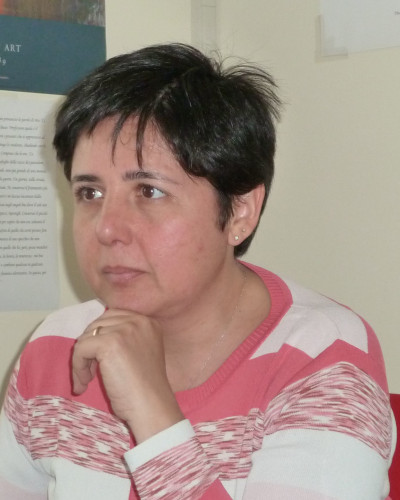 Sebania Libertino
Sebania Libertino
CNR IMM, Catania, Italy
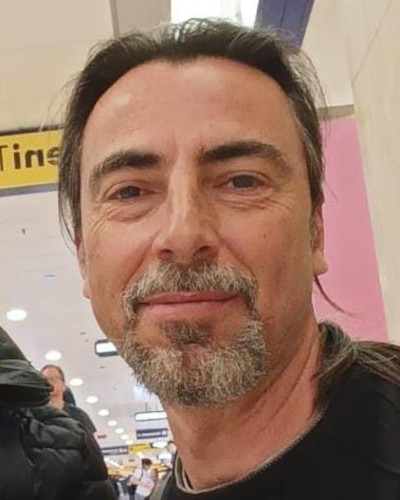 Domenico Corso
Domenico Corso
CNR IMM, Catania, Italy
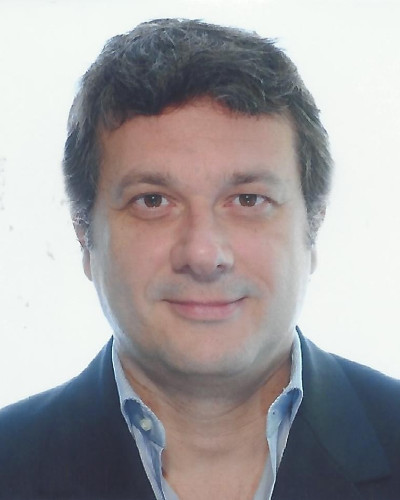 Fabio Matera
Fabio Matera
CNR IMM, Catania, Italy
SPECIAL SESSION DESCRIPTION
The "One Health" approach recognizes that human health is intrinsically linked to the health of animals and the environment. Addressing the challenges of this interconnected ecosystem requires a new generation of monitoring tools that are not only high-performing but also sustainable and metrologically robust. (Bio)Sensors are at the forefront of this transition, providing real-time data for environmental protection, food safety, and personalized diagnostics.
This special session aims to bring together researchers and practitioners to discuss the latest advancements in (bio)sensing technologies with a specific focus on green materials, energy-efficient designs, and rigorous metrological characterization. We seek contributions that address the gap between laboratory prototypes and real-world applications, emphasizing reliability, in-situ calibration, and long-term stability in complex matrices.
TOPICS
Topics of interest include, but are not limited to:
- Innovative electrochemical, optical, and physical (bio)sensors for pollutants and biomarkersv;
- Next-generation biodegradable materials for sustainable monitoring devices;
- Smart sensing for precision agriculture and food quality monitoring;
- Sustainable bio-derived materials for antimicrobial sensing and applications;
- Wearable and Point-of-Care (PoC) devices for decentralized healthcare;
- IoT integration and AI-driven data analytics for environmental and health networks;
- Sustainable energy management for off-site (bio)sensing platforms.
ABOUT THE ORGANIZERS
Sebania Libertino is a Research Director at the Institute for Microelectronics and Microsystems (IMM) of the National Research Council (CNR) in Catania, Italy. Building on an extensive career in semiconductor physics, she currently coordinates large-scale research activities, funded projects, and multidisciplinary working groups.
Her expertise lies at the intersection of advanced material science and high-performance analytical technologies. She specializes in the development of (bio)sensing platforms, with a particular emphasis on electrochemical and bioluminescent transducers for environmental monitoring and clinical diagnostics. Her technical proficiency encompasses a broad range of methodologies, including Deep Level Transient Spectroscopy (DLTS), low-temperature photoluminescence, and the comprehensive electro-optical characterization of sources, detectors, and MOSFET devices.
Deeply committed to sustainability, Dr. Libertino explores eco-friendly and bio-derived materials to create 'green' sensing architectures. Through a multidisciplinary approach, she integrates these solutions into smart, IoT-connected networks designed to address global challenges in precision agriculture, environmental safety, and decentralized healthcare within the 'One Health' framework. Her scientific impact is documented by more than 170 publications, 5 guest editorships for international journals, and 8 patents."
Domenico Corso is an Electronic Engineer at the Institute for Microelectronics and Microsystems (IMM) of the National Research Council (CNR), Catania, Italy. He has over 20 years of experience in semiconductor device characterization, electro-optical measurements, and advanced instrumentation systems. Capitalizing on this deep background in high-sensitivity optical sensors and automated instrumentation, his research has strategically expanded in recent years toward environmental and biomedical applications, bridging electronic engineering with advanced microbiological monitoring. Specifically, he is currently involved in the development of innovative, portable biosensing platforms based on miniaturized electro-optical transducers for real-time environmental monitoring, water quality assessment, and chemiluminescent or bioluminescent detection of contaminants, including waterborne microbial pathogens. His scientific activities encompass active participation in numerous national and international research projects, academic tutoring of Bachelor's and Master's students, and authorship or co-authorship of more than 60 peer-reviewed publications.
Fabio Matera, PhD is a researcher at the Institute for Microelectronics and Microsystems (IMM) of the National Research Council of Italy (CNR), Catania. He holds a Master’s degree in Mechanical Engineering and a PhD in Electronic Engineering, Automation and Complex System Control (University of Catania, 2010), and has accumulated over twenty-five years of hands-on experience in applied research in the energy sector.
His expertise focuses on electrochemical systems for energy production, storage and conversion, encompassing polymer electrolyte fuel cells (PEFC/DMFC), electrochemical energy storage systems (vanadium redox flow batteries), electrochemical hydrogen compression and purification, and photovoltaic system testing. He has also developed significant experience in the design of integrated systems for custom applications, including plants for sustainable water production from renewable energy sources. Since 2018, he is the founder of Hydron Engineering srl, a company specialising in advanced PEM fuel cell solutions and indoor gas monitoring systems.
At the international level, he served as Operating Agent for Annex 35 of the International Energy Agency’s Technology Collaboration Programme on Advanced Fuel Cells, covering portable fuel cell systems. He is the author of several papers published in indexed international journals.